If you’ve never had Botox before, most of what you know probably comes from friends, social media, or a handful of before-and-after photos online. None of that tells you what actually happens in the room, or what to expect once you walk out. Getting Botox for the first time is a small procedure with a fairly predictable process, but it still deserves the same care you’d give any medical decision — a real consultation, an honest look at your goals, and a provider who explains the “why” behind their recommendations, not just the “what.”
This guide walks through what Botox is, how it works, what a first appointment typically looks like, and how to evaluate a provider, whether you’re local to the Riviera Maya or planning treatment during a visit to Playa del Carmen or Tulum.
What Botox Actually Is?
Botox is the brand name for onabotulinumtoxinA, a purified form of botulinum toxin type A. It sounds alarming out of context, but the version used in medical and cosmetic settings is manufactured and dosed specifically for controlled, localized use in tiny amounts. The FDA first approved it in 1989 for eye muscle disorders, and in 2002 approved it for cosmetic use to temporarily improve moderate to severe frown lines between the eyebrows. Since then, approval has expanded to crow’s feet and forehead lines as well.
Botox is one of several botulinum toxin type A products on the market — Dysport, Xeomin, and Daxxify are others — and while they work through a similar mechanism, they’re formulated differently and aren’t interchangeable dose-for-dose. When people say “getting Botox,” they’re usually referring to the general category of neuromodulator treatment, though the specific product used should be part of what your provider discusses with you.
How Botox Works?
Muscles contract because nerves release a chemical messenger called acetylcholine, which tells the muscle fibers to fire. Botox works by blocking that release at the injection site. With the signal interrupted, the targeted muscle relaxes and temporarily loses some of its ability to contract.
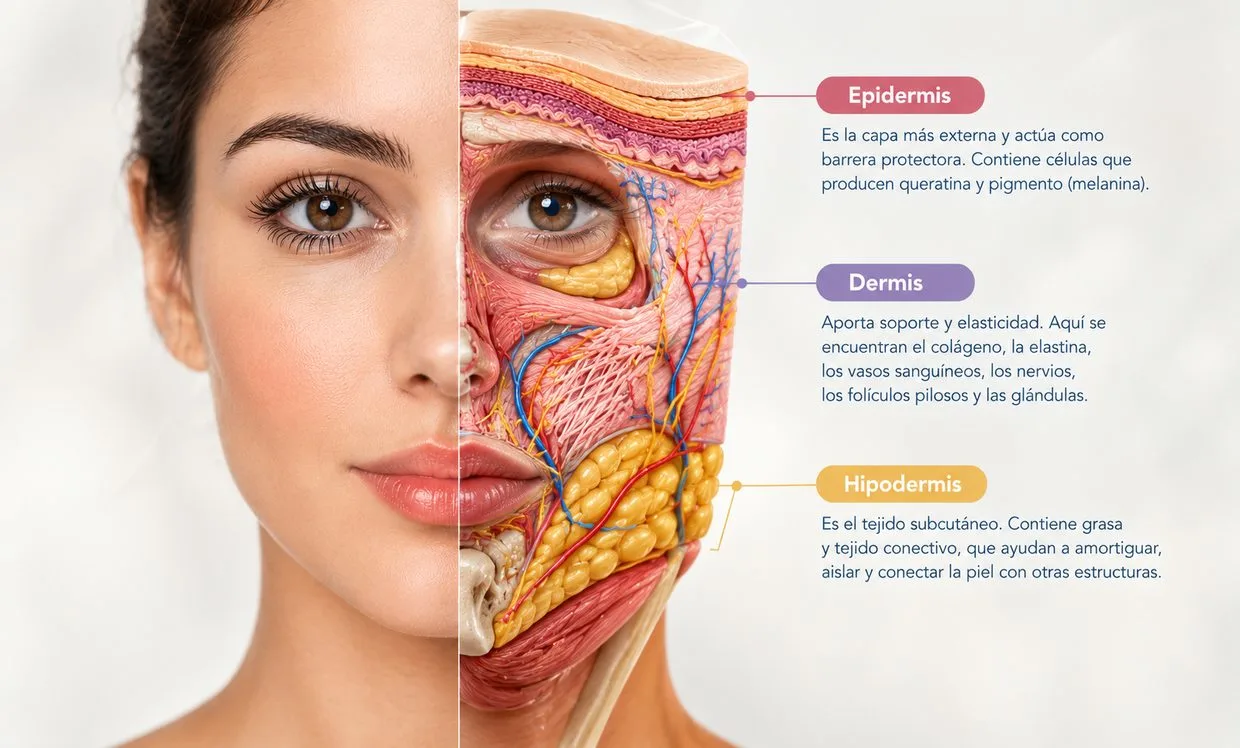
This matters for wrinkles because many facial lines — the ones between your eyebrows, around your eyes, or across your forehead — form from repeated muscle movement over years. Frowning, squinting, and raising your eyebrows thousands of times gradually etches those movements into the skin. By reducing muscle activity in a specific area, Botox softens the wrinkles that movement creates. It does nothing to muscles or tissue outside the treated area, and it doesn’t add volume the way a dermal filler does.
What Botox Is Commonly Used For?
The FDA-approved cosmetic uses are glabellar lines (the “elevens” between the eyebrows), lateral canthal lines (crow’s feet), and forehead lines. Beyond those three, Botox is frequently used off-label for things like bunny lines on the nose, a “lip flip,” jawline slimming, and softening platysmal bands on the neck. Off-label doesn’t mean unsafe or experimental — it simply means the FDA hasn’t specifically reviewed that use through its formal approval process, even though it’s common in clinical practice. A qualified provider should be transparent with you about which of your treatment goals fall into approved versus off-label territory.
What Happens During a Botox Consultation?
A proper consultation is where most of the actual decision-making happens, not the injections themselves. Expect your provider to ask about your medical history, any medications or supplements you’re taking, and whether you’ve had neuromodulator treatment before. They should look at your face while you make expressions — frowning, raising your eyebrows, squinting — to see how your muscles move and where your lines actually originate.
This is also the point where treatment goals get discussed honestly. Some patients want a completely untreated, “did nothing” look. Others want more visible smoothing. There’s no universally correct amount of movement to preserve — it’s a conversation about what looks natural to you specifically, and a responsible provider will talk you out of a plan that doesn’t fit your anatomy rather than simply agreeing to whatever you ask for.
If you’re traveling to Playa del Carmen or Tulum for treatment, it’s worth having at least a phone or video consultation before you arrive, so you’re not making treatment decisions for the first time in the chair with limited time before your flight home.
What Happens During the Treatment?
The treatment itself is short. After your provider marks the injection points, they use a very fine needle to deliver small amounts of the product into specific muscles. Most areas take only a few minutes. No anesthesia is typically required, though some providers offer a topical numbing cream or a cold pack beforehand, especially for first-time patients who are nervous about needles.
Does Botox Hurt?
Most people describe it as a quick pinch or a brief sting rather than significant pain. Discomfort varies by treatment area and by individual pain tolerance — the forehead and between the eyebrows tend to be more sensitive than areas like crow’s feet. Because the needles used are very fine and the injections are shallow, the sensation is usually brief and doesn’t require downtime afterward.
When Results Usually Appear?
Botox doesn’t work instantly. Most people start to notice softening within three to five days, with the full effect typically visible around the two-week mark. This delay is normal and expected — it takes time for the muscle activity to fully decrease. If you’re planning treatment around a specific event, schedule it at least two weeks ahead so you have time to see the final result and, if needed, discuss a touch-up with your provider.
How Long Results Generally Last?
Results commonly last around three to four months, though this varies from person to person based on metabolism, muscle strength, dosage, and the area treated. Some people find results fade faster with repeated first-time use, and others notice the effect lasting slightly longer once they’ve had a few consistent treatments. There’s no way to predict your exact timeline in advance — it’s something you learn about your own response after your first one or two sessions.
What Recovery and Aftercare May Involve?
There’s no real “recovery” period in the traditional sense — most people return to normal activities immediately. That said, providers commonly recommend avoiding lying down flat, vigorous exercise, and touching or massaging the treated area for several hours after treatment, as a precaution to help keep the product localized to where it was injected. Mild redness or small bumps at injection sites usually resolve within a short time.
Potential Side Effects and Considerations?
Botox is generally well tolerated, but like any injectable, it carries some possibility of side effects. These can include temporary bruising, redness, swelling, or mild headache. Less commonly, if the product spreads slightly beyond the intended muscle, it can cause temporary drooping of an eyebrow or eyelid — this is uncommon with an experienced injector and typically resolves as the treatment wears off.
Botox isn’t appropriate for everyone. It’s generally not recommended during pregnancy or breastfeeding, and certain neuromuscular conditions or allergies may make someone a poor candidate. This is exactly why a real medical consultation matters — your provider needs your full history to determine whether it’s suitable for you, and general information like this can’t substitute for that individualized assessment.
How to Choose a Qualified Botox Provider?
Not all Botox is administered the same way, and the provider’s training and judgment matter as much as the product itself. A few things worth checking before you book:
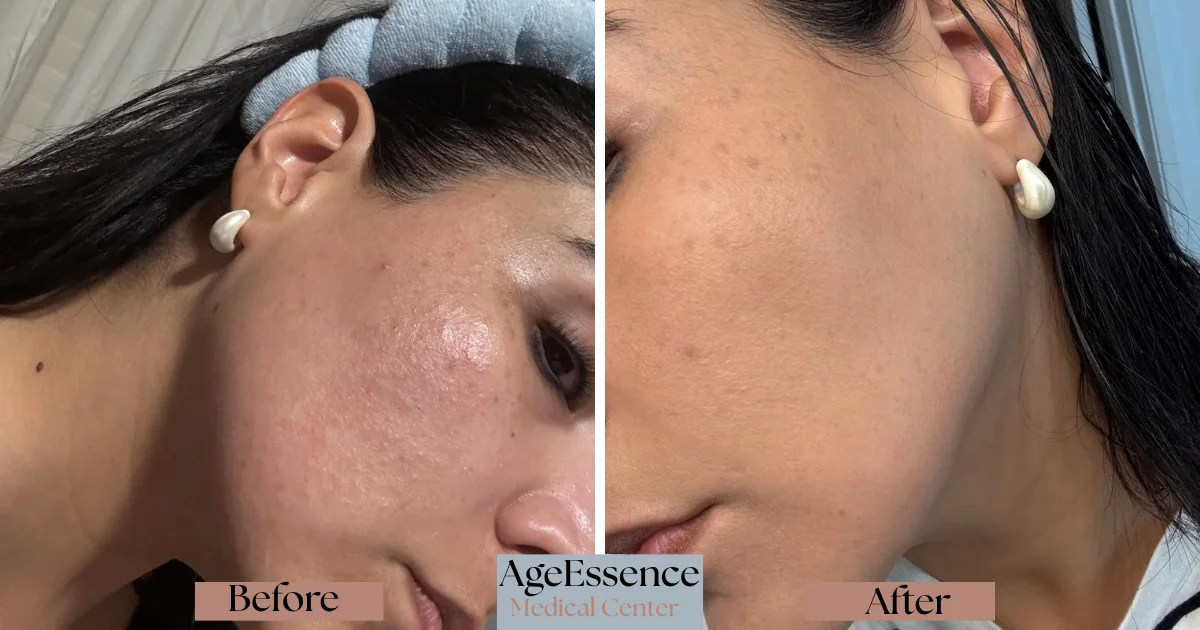
Ask who will actually be performing the injections, and confirm they’re a licensed medical professional with specific training in aesthetic injectables, not just general aesthetics. Look at how the consultation is handled — a provider who skips straight to talking about pricing without discussing your face, your goals, or your medical history is skipping a step that matters. Photos of real results (not stock images) and a willingness to explain their approach, including when they’d advise against a treatment, are both reasonable things to expect. Met a Botox Consultant
Price is worth being cautious about, particularly with a treatment like this. Unusually low prices can sometimes reflect diluted product, unlicensed injectors, or unofficial product sourcing — none of which you can identify by looking at a menu. This doesn’t mean the most expensive option is automatically the safest, but it does mean price alone shouldn’t be the deciding factor.
Questions to Ask Before Getting Botox:
Before your first appointment, it’s reasonable to ask what specific product will be used, what training and experience your injector has, how they’d approach your particular concerns, what the expected timeline for results looks like for your case, and what their policy is if you want an adjustment after seeing the results. A provider who welcomes these questions is generally a good sign; one who brushes past them is worth reconsidering.
Conclusion:
Getting Botox for the first time doesn’t need to be intimidating, but it does deserve the same care as any other medical decision. Understanding how it works, what a real consultation should cover, and what to expect in the days and weeks afterward puts you in a much better position to make a decision that actually fits your face and your goals — not just a generic result. Whether you’re local to Playa del Carmen or planning treatment during time in the area, the most important step is the conversation before the needle, not the needle itself. Get a free consultation at AgeEssence Medical Center.